
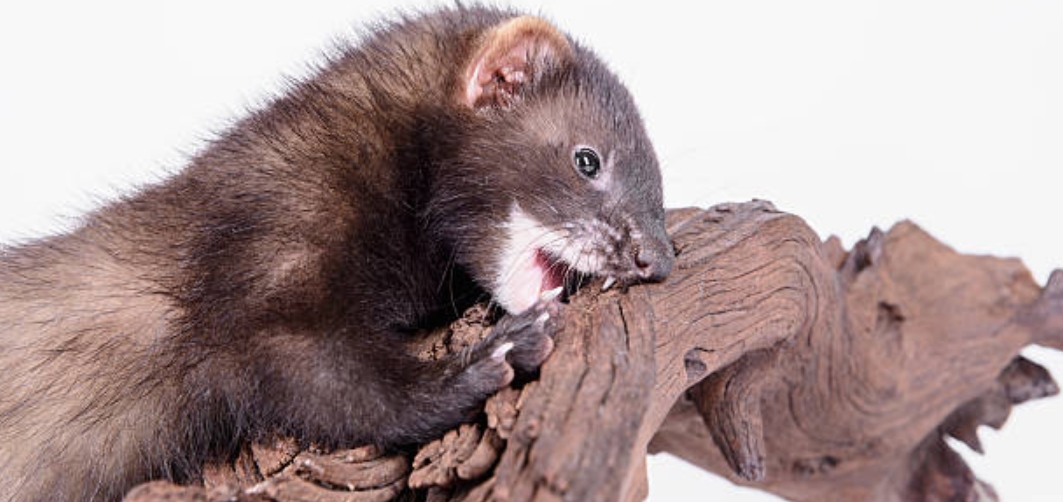
Discover effective Ferret cage cleaning tips to ensure a clean and healthy environment for your pet. Keeping your ferret’s cage clean is essential for their well-being.
Welcome to the world of ferrets! These little furballs bring joy and energy into our lives. However, keeping them happy and healthy requires some work, especially when it comes to cleaning their cages. That’s where our Ferret cage cleaning tips come in. They are designed to make your life easier and your ferret’s home cleaner.
Understanding how to clean a ferret’s cage is important for their health and happiness. A dirty cage can lead to various health issues, including respiratory problems and infections. In this post, you will learn practical tips on how to keep your ferret’s living space tidy and safe. Ignoring this responsibility can lead to unpleasant smells, disease, and a stressed-out pet.
In case you’re wondering, “What is avian conjunctivitis?” It’s an eye infection that can affect birds. If you have feathered friends too, check out this link for more information.
What Is Ferret Cage Cleaning?
Ferret cage cleaning involves regularly tidying up your ferret’s living space. Ferrets are playful and curious, which means they can make a mess quickly! You need to remove soiled bedding, leftover food, and toys that need cleaning. It’s not just about looks; it’s about creating a healthy environment for your ferret.
Why Is Cleaning Important?
A clean cage helps prevent health issues such as skin infections or respiratory problems. Dirty cages can harbor bacteria and parasites, which can make your ferret sick. Regular cleaning also keeps your home smelling fresh. A clean cage means a happy ferret!
What Happens if You Don’t Clean?
- Odors will build up, making your home unpleasant.
- Your ferret may develop health problems.
- It can lead to behavioral issues, like stress or aggression.
What are the signs of a dirty cage?
Look for signs like bad odors, droppings in corners, or wet bedding. If you notice your ferret acting differently, it might also be a sign that something is wrong.
Common Signs and Symptoms
As a pet owner, it’s essential to recognize signs that indicate your ferret’s cage needs cleaning. A dirty cage may show physical signs like a lingering smell or visible mess. If you notice any unusual behavior in your ferret, it might be time for a cage clean-up.
What Signs Should You Look For?
- Foul odors coming from the cage.
- Visible waste or uneaten food.
- Changes in your ferret’s behavior.
Do Symptoms Vary by Breed?
While the signs might be similar across different ferret breeds, some may be more prone to certain health issues. For example, young ferrets may be more energetic and messy than older ones.
Causes and Risk Factors
Several factors contribute to the need for cage cleaning. One of the main causes is the ferret’s natural behavior. They love to dig and play, which can lead to messes. Environmental factors, like humidity, can also affect how quickly a cage gets dirty. A dirty cage can lead to a buildup of bacteria and parasites, making it crucial to clean regularly.
What Causes the Need for Cleaning?
- Ferrets are naturally playful and can create a mess.
- Poor diet can lead to more waste.
- Humidity levels can increase odor and mess.
Diagnosis: How Vets Identify the Problem
If your ferret seems unwell, it’s important to consult a vet. They can help identify health issues that may stem from a dirty cage. Regular cleaning can prevent the need for such diagnoses.
How Do Vets Diagnose Problems?
- Veterinarians will check for signs of illness.
- They may ask about your cleaning routine.
- Tests may be conducted if needed.
Treatment Options
Keeping your ferret’s cage clean is the best treatment. However, if your ferret does fall ill, there are several options available.
At-Home Treatments
Natural remedies can help maintain cleanliness. Regular cleaning of the cage is essential. You can use vinegar and baking soda to help eliminate odors.
What Natural Remedies Can Help?
- Use vinegar to clean surfaces.
- Baking soda can neutralize odors.
- Regularly wash toys and bedding.
Dietary Adjustments
A proper diet can minimize mess. Ensure your ferret’s food is high-quality to reduce waste. A clean diet can lead to a cleaner cage.
Veterinary Medications
If your ferret does get sick, your vet may prescribe medications. Always follow their advice for the best results.
Preventative Measures
Preventing the need for extensive cleaning is ideal. Establish a routine that includes daily spot checks and weekly deep cleans. This will keep odors in check and your ferret healthy.
How Can This Condition Be Avoided?
- Maintain a regular cleaning schedule.
- Provide a balanced diet.
- Monitor your ferret’s behavior for changes.
When to See a Vet
If you notice any concerning symptoms, don’t hesitate to contact your vet. Quick action can prevent serious health issues. Common signs that indicate a vet visit is necessary include persistent bad odors, unusual behavior, or changes in appetite.
Case Studies / Real-Life Examples
Many ferret owners share stories about how proper cleaning saved their pets from illness. One owner noticed their ferret was lethargic. After a thorough cleaning and a vet visit, it turned out the ferret had a mild infection that was easily treated.
These stories highlight the importance of staying on top of cleaning routines. Regular cleaning can prevent illnesses and keep your ferret happy and healthy.
If you’re curious about the best soil for snake plant, make sure to check out the link for more information!
Frequently Asked Questions
1. How often should I clean my ferret’s cage?
It’s recommended to clean your ferret’s cage at least once a week, with daily spot checks to remove waste.
2. What supplies do I need for cleaning?
You will need a vacuum, pet-safe cleaning solutions, and fresh bedding.
3. Can I use regular cleaning products?
No, regular cleaning products may contain harmful chemicals. Use pet-safe alternatives instead.
4. What if my ferret refuses to enter a clean cage?
Sometimes, ferrets may be hesitant to enter a newly cleaned cage. Try placing their favorite toys or bedding inside to encourage them.
5. Why does my ferret’s cage smell bad even after cleaning?
Persistent odors may indicate the need for a deeper clean or a change in your ferret’s diet.
Conclusion
Keeping your ferret’s cage clean is essential for their health and happiness. Use these Ferret cage cleaning tips to maintain a tidy environment. Remember, a clean cage leads to a happy ferret!
Taking care of your ferret can be a rewarding experience. Remember, cleanliness is key! Stay engaged and always look for ways to improve your ferret’s living conditions.
Recommended Next Steps
To ensure your ferret lives a long and healthy life, follow these steps:
- Establish a cleaning routine.
- Monitor your ferret’s health regularly.
- Stay informed about ferret care.
For more insights, check out Ferret Care Tips and Healthy Pet Practices.
Expand Your Knowledge
- 📌 Healthy Happy Dog
- 📌 Cat Care Guide
- 📌 All About Birds
- 📌 Pigeon Care Guide
- 📌 Playful Ferret Tips
- ————————–
- 📌 Indoor Plants
- 📌 Low Light Lover Indoor Plants
YouTube Video Library: Related Videos
Note: The video above is embedded from YouTube and is the property of its original creator. We do not own or take responsibility for the content or opinions expressed in the video.