
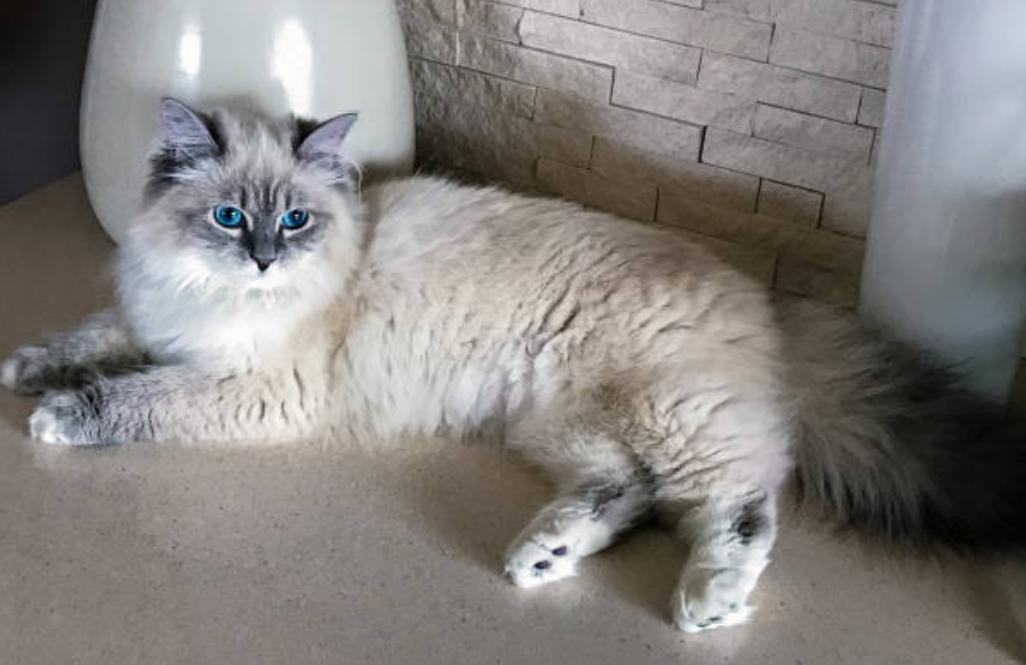
Learn about anal sac abscess in pets, its symptoms, causes, and treatment options to keep your furry friend healthy.
Have you ever noticed your furry friend acting differently? They may be suffering from an anal sac abscess. This condition occurs when the anal glands, located near the opening of the anus, become blocked and infected. Understanding this issue is crucial for pet owners to ensure their pets stay healthy and happy.
By knowing about anal sac abscesses, you can detect symptoms early and seek help. Ignoring it could lead to serious problems, including pain and infection. In this post, we will explore what an anal sac abscess is, its symptoms, causes, treatment options, and more.
As you read on, you’ll learn how to identify an anal sac abscess and what steps to take. This knowledge can help prevent severe health issues for your beloved pet.
Failing to address an anal sac abscess can lead to complications like chronic pain or even surgery. It’s essential to act quickly.
Additionally, if you’re interested in keeping your chickens healthy, you might want to learn about antibiotics for chickens eye infection.
What Is Anal Sac Abscess?
An anal sac abscess is a painful condition that can affect dogs and cats. It occurs when the anal glands, which help with bowel movements, become blocked. This blockage can lead to infection and swelling. If not treated, the abscess can burst, causing severe pain and potential complications.
What is an anal sac abscess?
It is an infection of the anal glands, leading to swelling and pain. Pets may struggle to sit, and you might see them licking their rear end excessively.
How does this condition affect a pet’s overall health?
If left untreated, an anal sac abscess can lead to chronic pain and even systemic infections. A pet in pain may become lethargic, lose appetite, and act differently.
What’s the difference between mild and severe cases?
A mild case might show slight swelling and discomfort, while a severe case can lead to significant pain, fever, and even the potential for surgery if it bursts.
Are there different types or categories of this condition?
Yes, there are different types of anal sac issues, including simple impaction and severe infections that lead to abscesses.
What are the medical or scientific terms for this condition?
The medical term for this condition is “anal sacculitis” when referring to inflammation, and “anal sac abscess” for the infection that follows.
Common Signs and Symptoms
Recognizing the signs of an anal sac abscess is essential. Pets may show various symptoms that owners should watch for. Ignoring these signs can lead to more severe health problems.
What physical signs should pet owners look for?
- Excessive licking of the rear end.
- Swelling around the anus.
- Difficulty sitting or showing discomfort when doing so.
How do symptoms vary by breed or size of pet?
Smaller breeds may show symptoms more quickly than larger breeds due to their size. For example, Dachshunds and Pomeranians may exhibit signs of discomfort sooner than larger dogs.
Are the symptoms seasonal or constant?
The symptoms of an anal sac abscess are usually constant and don’t have a seasonal pattern. However, they may worsen with environmental changes, such as hot or humid weather.
Can this condition affect behavior or mood?
Yes, pets in pain will often act differently. They may become more withdrawn or irritable. A playful dog might suddenly show no interest in toys or playtime.
Are there symptoms that are easy to miss?
Some subtle signs like slight changes in appetite or increased licking may be overlooked. Regular checks can help catch these early.
Causes and Risk Factors
Anal sac abscesses can happen for various reasons. Understanding these causes will help you prevent the issue from arising.
What are the most common causes of this condition?
Blockages in the anal glands due to hard stool, infections, or even allergies can lead to abscesses. It’s important to keep an eye on your pet’s bowel health.
Are environmental factors (climate, air quality) contributing?
Yes, poor air quality and humidity can affect a pet’s health, including their anal glands. Pets in hot and humid areas might be more prone to these issues.
Can poor diet or nutrition lead to this issue?
A low-fiber diet can result in harder stools, leading to blockages in the anal glands. Ensuring a balanced diet is crucial for preventing anal sac abscesses.
Which breeds are most prone to this problem?
Breeds like Cocker Spaniels and Bulldogs are more susceptible to anal gland issues. Their anatomy can predispose them to blockages.
Are some pets genetically predisposed?
Yes, certain breeds are more prone to anal sac problems due to their genetic makeup. Always consult with your vet if you suspect your pet may be at risk.
Does age or lifestyle affect the risk?
Older pets may face a higher risk of developing anal sac abscesses. Sedentary lifestyles can contribute to this condition as well.
Diagnosis: How Vets Identify the Problem
Diagnosing an anal sac abscess involves thorough examination by a veterinarian. Understanding this process can ease the pet owner’s mind.
How does a vet diagnose this condition?
Your vet will examine the anal area for swelling, redness, or discharge. They may also perform a digital examination to check for blockages.
What tests or tools are commonly used?
Vets may use imaging tools like ultrasounds or X-rays to rule out other issues and confirm the diagnosis.
Can pet owners detect it at home?
While some signs are noticeable, a definitive diagnosis requires a vet’s examination. If you notice any symptoms, consult your vet for a professional opinion.
What conditions must be ruled out?
Conditions like rectal tumors or infections must be ruled out to confirm an anal sac abscess. Your vet will perform tests to ensure an accurate diagnosis.
How long does diagnosis usually take?
Diagnosis can happen quickly, often within a single vet visit. However, follow-up tests might be necessary.
What can go wrong if it’s misdiagnosed?
Misdiagnosis can lead to incorrect treatment and worsening of your pet’s condition. Always seek a second opinion if you feel uncertain.
Treatment Options
When dealing with an anal sac abscess, treatment options vary from home care to veterinary intervention. Understanding the best approach will help you make informed decisions.
a. At-Home Treatments
Home treatments can be effective for mild cases. However, always consult your vet before trying these methods.
What natural remedies can help?
- Warm compresses can help reduce swelling.
- Increased fiber can aid digestion and prevent blockages.
- Herbal treatments may soothe inflammation.
Which shampoos, oils, or creams are recommended?
Look for gentle, hypoallergenic shampoos to keep the anal area clean. Consult your vet for specific recommendations.
Are there safe DIY treatments?
While some treatments can be done at home, always consult your vet first. They can guide safe methods to treat your pet’s condition.
How often should treatments be applied?
Follow your vet’s recommendations on the frequency of treatments. Regular checks are essential for monitoring progress.
b. Dietary Adjustments
Adjusting your pet’s diet can play a significant role in preventing future anal sac abscesses. Proper nutrition aids in overall health.
Which nutrients improve skin or ear health?
High-fiber diets improve stool consistency, reducing the likelihood of blockages. Omega fatty acids can also help maintain healthy skin.
Are there supplements that work?
Supplements like probiotics can help with digestion. Always consult your vet before adding new supplements to your pet’s diet.
Should certain foods be avoided?
Avoid low-fiber foods that can lead to hard stools. Read labels and choose high-quality food for your pet.
How can an elimination diet help identify the cause?
Elimination diets can help identify food allergies or sensitivities that may contribute to anal sac issues. Work with your vet to create a proper plan.
By ensuring a balanced diet, you can help avoid conditions like anal sac abscess.
c. Veterinary Medications
Sometimes, medications are necessary for treating anal sac abscesses. Knowing what to expect can ease concerns.
What are the most effective vet-prescribed treatments?
Vets may prescribe antibiotics to fight infection and anti-inflammatories to reduce swelling and pain.
Are antibiotics or antifungals needed?
Depending on the severity, antibiotics are often necessary to treat the infection. Antifungals may be prescribed in specific cases.
What are the potential side effects of these medications?
Common side effects include upset stomach and lethargy. Monitor your pet closely and report any concerning symptoms to your vet.
How long does treatment usually last?
Treatment can last from a few days to several weeks, depending on the severity of the condition. Follow your vet’s instructions for the best results.
Preventative Measures
Preventing anal sac abscesses is crucial for your pet’s health. Implementing simple measures can go a long way.
How can this condition be avoided in the future?
Regular grooming and maintaining a healthy diet can significantly reduce the risk of anal sac abscesses.
What daily or weekly routines help?
Regular bowel movements and fiber-rich diets help keep anal glands functioning properly. Regular vet check-ups are also important.
Should pet owners change grooming habits?
Regularly grooming your pet can help prevent blockages. Be sure to check the anal area during grooming sessions.
Does indoor air humidity or temperature play a role?
Yes, maintaining comfortable indoor conditions can impact your pet’s overall health, including their anal glands.
What products help prevent recurrence?
High-fiber foods, supplements, and regular vet visits can help keep your pet healthy and prevent anal sac abscesses.
Can early signs be stopped before becoming a bigger issue?
Yes, by monitoring your pet’s behavior and addressing any unusual signs early, you can often prevent larger problems from developing.
It’s essential to keep an eye on your pet’s health to avoid issues like anal sac abscess.
When to See a Vet
Knowing when to consult a vet can make a significant difference in your pet’s health. Understanding the signs is key.
What symptoms indicate an emergency?
If you notice severe swelling, discharge, or your pet showing extreme discomfort, it’s time to see a vet immediately.
How can pet owners distinguish between minor vs. serious issues?
Minor issues might show slight signs of discomfort, while serious problems will include significant pain, fever, or changes in behavior.
How quickly should a vet be consulted after noticing symptoms?
Consult your vet as soon as you notice any symptoms. Early detection is crucial for effective treatment.
Can delays cause long-term damage?
Yes, delays can lead to severe infections and complications, making treatment more challenging and prolonged.
Case Studies / Real-Life Examples
Real-life examples can offer valuable insights. Learning from others can help in managing anal sac abscesses effectively.
What’s a real success story of treatment and recovery?
One pet owner noticed their dog was licking excessively and had difficulty sitting. After visiting the vet, an anal sac abscess was diagnosed. With proper treatment, the dog made a full recovery.
How did one owner recognize and manage the issue?
The owner closely monitored their pet’s behavior and noticed unusual signs. Quick action led to early diagnosis and successful treatment.
What were the challenges during treatment?
Challenges included managing pain and ensuring the pet took medications. The owner worked closely with the vet to overcome these obstacles.
What lessons can be learned from this experience?
Regular check-ups and paying attention to changes in behavior can lead to early detection and treatment of anal sac abscesses.
Additionally, if you’re looking for a nutritious option for your feline friend, check out the best affordable cat food.
Frequently Asked Questions
-
What should I do if I suspect my pet has an anal sac abscess?
If you suspect your pet has an anal sac abscess, consult your veterinarian immediately. The sooner the condition is addressed, the better the outcome will be.
-
Can anal sac abscesses happen to any pet?
Yes, anal sac abscesses can affect any pet, but certain breeds are more prone. Regular check-ups can help catch issues early.
-
How can I help prevent anal sac abscesses in my pet?
Maintaining a high-fiber diet, regular vet visits, and proper grooming can help prevent anal sac abscesses.
-
What is the recovery time for anal sac abscess treatment?
Recovery time can vary depending on the severity of the abscess. Most pets will begin to feel better within a few days of treatment.
-
Are there any at-home remedies for anal sac abscesses?
While some home remedies can help, it’s essential to consult your veterinarian for guidance. They can provide safe and effective treatment options.
Conclusion
In conclusion, understanding anal sac abscesses is vital for pet owners. By recognizing symptoms and knowing when to seek help, you can ensure your pet receives the care they need. With the right knowledge and actions, this issue can be managed or even avoided.
Taking proactive steps in your pet’s health can lead to a happier and healthier life. Stay informed, and don’t hesitate to ask your vet questions!
Recommended Next Steps
To ensure your pet remains healthy, consider these steps:
- Monitor your pet’s behavior closely for any signs of discomfort.
- Maintain a high-fiber diet to promote healthy bowel movements.
- Regularly check your pet’s anal area during grooming.
- Consult your vet for annual check-ups and advice.
For more insights, check out AKC and VCA Hospitals.
Expand Your Knowledge
- 📌 Healthy Happy Dog
- 📌 Cat Care Guide
- 📌 All About Birds
- 📌 Pigeon Care Guide
- 📌 Playful Ferret Tips
- ————————–
- 📌 Indoor Plants
- 📌 Low Light Lover Indoor Plants
YouTube Video Library: Related Videos
Note: The video above is embedded from YouTube and is the property of its original creator. We do not own or take responsibility for the content or opinions expressed in the video.