
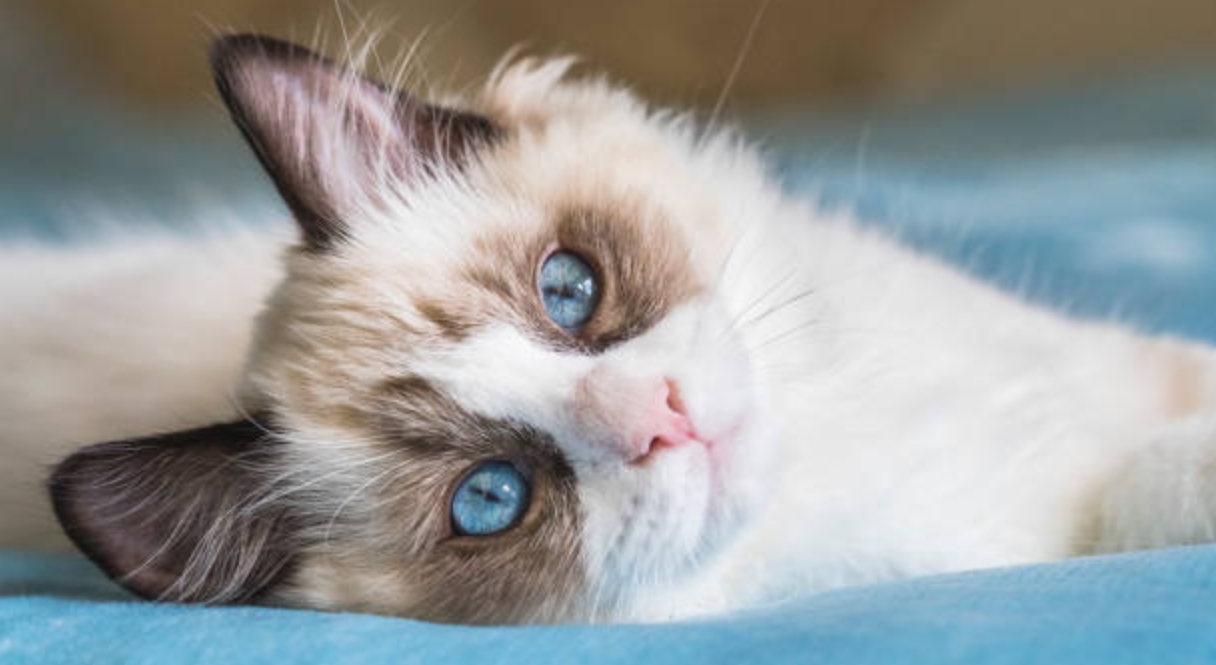
Horner’s syndrome for cats can lead to several health issues. Learn how to recognize the signs, understand the causes, and manage this condition effectively.
Horner’s syndrome for cats is a perplexing condition that can affect our furry friends in unexpected ways. It’s like a puzzle that pet owners must solve to ensure their cats stay happy and healthy. This syndrome can cause noticeable changes in your cat’s eyes and face, and understanding it is crucial for every responsible pet parent.
Recognizing the signs of horner’s syndrome for cats can lead to early intervention and a better outcome. If you ignore the symptoms, it could lead to complications, making your cat uncomfortable or even sick. In this article, you’ll learn about the signs, causes, and how to care for a cat affected by this syndrome.
Are you aware that even puppies can face challenges like vomiting? If you want to learn more about this issue, check out this article on puppies vomiting.
What Is Horner’s Syndrome for Cats?
Horner’s syndrome for cats is a neurological condition that affects the eye and surrounding facial structures. It occurs when there is disruption to the sympathetic nerves often leading to a drooping eyelid, a constricted pupil, and even a sunken eye appearance. Think of it as a miscommunication between the brain and the eye. For instance, if a cat is diagnosed with this syndrome, you might notice one eye looking different from the other.
Questions and Answers:
What is horner’s syndrome for cats?
This syndrome can occur due to various underlying issues, such as trauma or tumors. It affects how the eye functions, which can make your cat feel uncomfortable. Breeds like Persians may be more susceptible to this condition due to their facial structure.
How does this condition affect a pet’s overall health?
While horner’s syndrome for cats might not directly cause serious health issues, it can lead to discomfort or pain. Cats may squint more or be less active because they are trying to manage their discomfort.
What’s the difference between mild and severe cases?
Mild cases may involve slight drooping of the eyelid, while severe cases can lead to more noticeable changes and discomfort. For example, in severe cases, the cat may also exhibit signs of distress.
Are there different types or categories of this condition?
Generally, horner’s syndrome can be classified into primary and secondary types. The primary type occurs without any identifiable cause, while secondary types result from underlying conditions.
What are the medical or scientific terms for this condition?
The medical term for horner’s syndrome is “Horner’s syndrome,” named after the physician who first described it. It’s important to note that this condition might also be referred to as “sympathetic ophthalmic” syndrome in veterinary terms.
Common Signs and Symptoms
As a cat owner, it’s vital to recognize the common signs and symptoms of horner’s syndrome for cats. Noticing subtle changes in behavior or appearance can make a significant difference in your cat’s health. Some common signs include drooping eyelids, changes in pupil size, and even excessive tearing. If you see these changes, it’s time to take action!
Questions and Answers:
What physical signs should pet owners look for?
Keep an eye out for droopy eyelids, a smaller pupil on one side, and a sunken appearance in one eye. If you notice these signs, make an appointment with your veterinarian. Cats may also seem more sensitive to light due to the changes in their eyes.
How do symptoms vary by breed or size of pet?
Symptoms can vary depending on the breed. For instance, flat-faced breeds like Persians may show more pronounced signs due to their facial structure, while other breeds may exhibit milder symptoms.
Are the symptoms seasonal or constant?
Symptoms of horner’s syndrome for cats are typically constant. If you notice any sudden changes, it’s essential to consult a vet. Seasonal allergies may cause similar symptoms, but they usually differ in nature.
Can this condition affect behavior or mood?
Yes, cats might become more withdrawn or irritable due to discomfort caused by this syndrome. They may also avoid bright areas as their eyes become more sensitive.
Are there symptoms that are easy to miss?
Some signs, like slight differences in pupil size or minor eyelid drooping, can be easily overlooked. Regular check-ups can help catch these subtle symptoms before they worsen.
Causes and Risk Factors
Understanding the causes and risk factors of horner’s syndrome for cats is crucial for prevention and early detection. This syndrome can arise from various sources, such as trauma to the neck or head, tumors, or even certain infections. Identifying the root cause is essential for determining the right treatment.
Questions and Answers:
What are the most common causes of this condition?
Trauma is one of the leading causes of horner’s syndrome for cats. A cat may sustain an injury during a fight or fall, leading to nerve damage. Other causes include tumors that may compress the sympathetic nerves.
Are environmental factors (climate, air quality) contributing?
While environmental factors typically don’t directly cause horner’s syndrome, they can influence a cat’s overall health. A healthy environment helps reduce the likelihood of stress-related issues.
Can poor diet or nutrition lead to this issue?
A poor diet can compromise a cat’s immune system, making them more vulnerable to infections and diseases that could lead to conditions like horner’s syndrome.
Which breeds are most prone to this problem?
As mentioned, certain breeds like Persians and Himalayans may be more prone due to their facial structures. They may have a higher risk of developing issues that lead to horner’s syndrome.
Are some pets genetically predisposed?
Genetic factors can play a role, especially in specific breeds that have anatomical vulnerabilities. Regular veterinary check-ups can help monitor these risks.
Does age or lifestyle affect the risk?
Older cats may be more susceptible to developing conditions that lead to horner’s syndrome. A cat’s lifestyle, including their level of activity and their environment, can also impact their health risks.
Diagnosis: How Vets Identify the Problem
When it comes to diagnosing horner’s syndrome for cats, veterinarians will perform an examination and consider your cat’s history. They may use various tests to rule out other conditions. Diagnosing this syndrome can sometimes be straightforward, but it may require additional tests if the cause is not immediately clear.
Questions and Answers:
How does a vet diagnose this condition?
Vets typically start with a physical examination, looking for the characteristic signs of horner’s syndrome. They may also ask questions about your cat’s behavior and health history.
What tests or tools are commonly used?
Diagnostic tools may include blood tests, imaging scans like X-rays, or even advanced imaging techniques like MRI if a more detailed picture is needed.
Can pet owners detect it at home?
Pet owners can look for physical signs like drooping eyelids or differing pupil sizes. However, a proper veterinary diagnosis is essential for understanding the underlying cause.
What conditions must be ruled out?
Other conditions that affect the eyes or nervous system must be ruled out before confirming horner’s syndrome. These can include infections, tumors, or even certain eye diseases.
How long does diagnosis usually take?
Diagnosis can take anywhere from a few hours to several days, depending on the tests needed and the availability of veterinary services.
What can go wrong if it’s misdiagnosed?
Misdiagnosis can lead to improper treatment, causing unnecessary discomfort for your cat. It’s vital to ensure the correct diagnosis to provide the right care.
Treatment Options
Once diagnosed, treatment options for horner’s syndrome for cats can vary widely. Depending on the underlying cause, treatments may include at-home care, dietary adjustments, or veterinary medications. Understanding these options can empower you to help your cat feel better.
a. At-Home Treatments
At-home treatments can make a significant difference in managing your cat’s symptoms. Simple remedies like soothing eye drops or natural herbal treatments can provide relief.
Questions and Answers:
What natural remedies can help?
Natural remedies like chamomile tea can be used as a soothing eye wash. Always consult your veterinarian before trying any new treatments.
Which shampoos, oils, or creams are recommended?
Look for hypoallergenic shampoos that won’t irritate your cat’s skin. Coconut oil is another great option for moisturizing any dry areas.
Are there safe DIY treatments?
DIY treatments can include warm compresses to help with discomfort. Just ensure they are not too hot to avoid burns.
How often should treatments be applied?
Frequency depends on the specific treatment. For example, eye drops may be needed several times a day, while oils can be applied as needed.
b. Dietary Adjustments
Dietary adjustments can also play a vital role in managing your cat’s health. A balanced diet rich in essential nutrients can support overall eye health.
Questions and Answers:
Which nutrients improve skin or ear health?
Omega-3 fatty acids and vitamins A and E can contribute to healthier skin and eyes. These nutrients help combat inflammation and promote healing.
Are there supplements that work?
Supplements specifically designed for eye health can be beneficial. Always consult your vet before introducing new supplements to your cat’s diet.
Should certain foods be avoided?
Try to avoid foods that contain fillers or artificial additives, as these can contribute to allergies and other health issues.
How can an elimination diet help identify the cause?
An elimination diet can help pinpoint food allergies or intolerances that might exacerbate your cat’s symptoms. This involves removing certain foods and reintroducing them one at a time.
With all this in mind, horner’s syndrome for cats can be managed effectively through proper nutrition and care.
c. Veterinary Medications
In some cases, veterinary medications may be necessary to manage symptoms effectively. Your vet may prescribe medications that target the underlying issues causing the syndrome.
Questions and Answers:
What are the most effective vet-prescribed treatments?
Medications like corticosteroids may be prescribed to reduce inflammation. It’s essential to follow the vet’s instructions closely for the best results.
Are antibiotics or antifungals needed?
If an infection is identified as the cause, antibiotics or antifungals may be necessary. Your veterinarian will determine the best course of action based on your cat’s condition.
What are the potential side effects of these medications?
Common side effects may include lethargy, nausea, or changes in appetite. Always monitor your cat closely when introducing new medications.
How long does treatment usually last?
The duration of treatment can vary. Some cats may need medication for a few weeks, while others may require longer-term management.
Preventative Measures
Taking preventative measures can help reduce the risk of horner’s syndrome for cats. Simple lifestyle changes and routine care can make a huge difference in your cat’s overall health.
Questions and Answers:
How can this condition be avoided in the future?
Preventing injuries during playtime or providing a safe environment can help reduce the risk of horner’s syndrome. Always supervise your cat during play.
What daily or weekly routines help?
Regular grooming can help detect any early signs of issues. Maintaining a healthy diet and ensuring your cat stays hydrated also plays a crucial role.
Should pet owners change grooming habits?
It might be beneficial to use gentle grooming tools to avoid irritating your cat’s skin or eyes. Regular brushing can help keep their coat healthy.
Does indoor air humidity or temperature play a role?
Maintaining an appropriate indoor environment can help your cat’s overall health. Ensure that your home is neither too humid nor too dry to avoid skin and eye issues.
What products help prevent recurrence?
Products like humidifiers can help maintain proper air quality, while specialized pet eye drops can help soothe irritation.
Can early signs be stopped before becoming a bigger issue?
Yes, early intervention can be key. If you notice any signs, contact your veterinarian right away to address the issue before it escalates.
When to See a Vet
Knowing when to see a vet is crucial for your cat’s health. If you notice any concerning symptoms, it’s better to consult your veterinarian sooner rather than later.
Questions and Answers:
What symptoms indicate an emergency?
Emergency symptoms can include severe drooping, sudden changes in behavior, or signs of pain. If your cat seems distressed, don’t hesitate to consult your vet.
How can pet owners distinguish between minor vs. serious issues?
Minor issues may resolve with simple home care, while serious conditions typically require veterinary intervention. Trust your instincts about your cat’s health.
How quickly should a vet be consulted after noticing symptoms?
It’s best to consult a vet as soon as you notice any unusual symptoms. Early diagnosis often leads to better outcomes.
Can delays cause long-term damage?
Yes, delays in treatment can lead to worsening conditions. Prompt care can help ensure your cat remains healthy and happy.
Case Studies / Real-Life Examples
Understanding real-life examples can provide insight into managing horner’s syndrome for cats. Many pet owners have faced similar challenges and found successful solutions.
Questions and Answers:
What’s a real success story of treatment and recovery?
One owner noticed a change in her cat’s eye and took him to the vet right away. After a thorough examination, it was discovered that he had a minor injury that healed with treatment. The owner learned the importance of vigilance in recognizing symptoms.
How did one owner recognize and manage the issue?
Another owner noticed her cat squinting and acting more withdrawn. After visiting the vet and following a treatment plan, her cat recovered fully. Regular check-ups became part of her routine.
What were the challenges during treatment?
Some owners faced challenges with administering medications or keeping their cats calm during recovery. Patience and consistency were key to overcoming these obstacles.
What lessons can be learned from this experience?
These stories highlight the importance of early detection and communication with your veterinarian. Being proactive can lead to a successful outcome.
Did you know that anal glands can also pose problems for pets? Learn more about anal gland supplement to keep your pet healthy.
Frequently Asked Questions
Here are some common questions about horner’s syndrome for cats that many pet owners have:
What is horner’s syndrome for cats?
Horner’s syndrome for cats is a condition that results from disruption to the sympathetic nerves, affecting the eye and facial structure. Symptoms include drooping eyelids and constricted pupils.
How can I tell if my cat has horner’s syndrome?
Look for uneven pupil size, drooping eyelids, and a sunken appearance in the eye. If you notice these signs, consult your veterinarian for a proper diagnosis.
Is horner’s syndrome common in cats?
While it’s not the most common condition, it does occur and can affect any breed. Awareness is key to ensuring prompt treatment.
Can horner’s syndrome be treated?
Yes, treatment options vary based on the underlying cause. Early diagnosis and treatment can lead to successful outcomes.
Will my cat fully recover from horner’s syndrome?
Recovery depends on the underlying cause. Many cats do recover fully with appropriate treatment, while others may require ongoing management.
Conclusion
Understanding horner’s syndrome for cats is essential for every pet owner. Recognizing the signs and taking early action can make all the difference. With proper care and attention, this condition can be managed effectively.
Stay vigilant about your cat’s health! Being informed and proactive can help prevent horner’s syndrome and promote a happier, healthier life for your furry friend.
Recommended Next Steps
If you suspect your cat may have horner’s syndrome, consider taking the following steps:
- Monitor your cat for any physical signs or changes in behavior.
- Schedule a veterinary appointment to discuss your observations.
- Follow your vet’s recommendations for treatment and care.
- Maintain a healthy diet and regular check-ups to monitor your cat’s health.
- Educate yourself about other health issues, such as anal gland problems.
For more insights, check out Cat Health and American Veterinary Medical Association.
Expand Your Knowledge
- 📌 Healthy Happy Dog
- 📌 Cat Care Guide
- 📌 All About Birds
- 📌 Pigeon Care Guide
- 📌 Playful Ferret Tips
- ————————–
- 📌 Indoor Plants
- 📌 Low Light Lover Indoor Plants
YouTube Video Library: Related Videos
Note: The video above is embedded from YouTube and is the property of its original creator. We do not own or take responsibility for the content or opinions expressed in the video.