
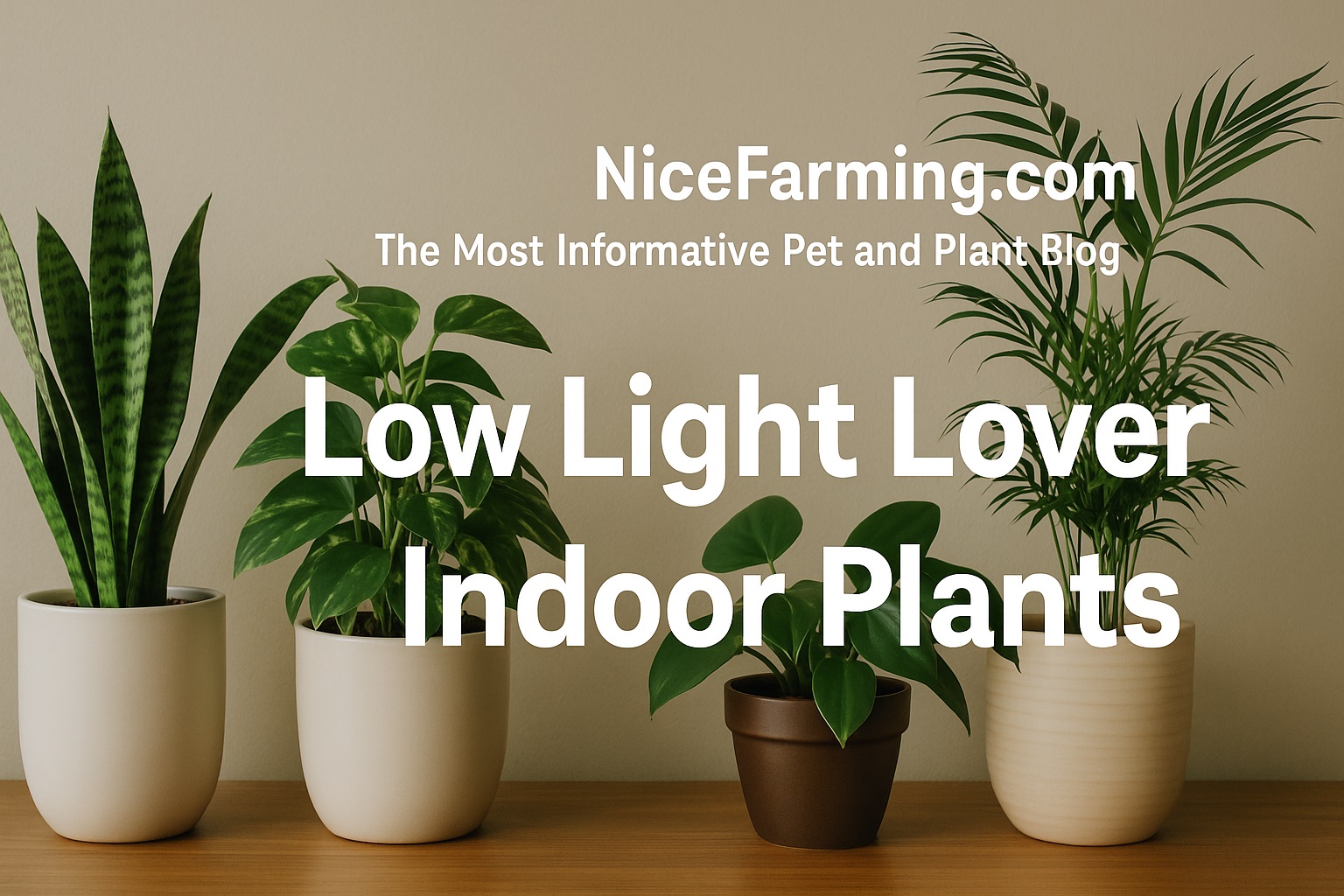
Discover the essential philodendron light requirements to keep your indoor plants thriving and beautiful.
Philodendrons are a popular choice among indoor plant lovers. Understanding the philodendron light requirements is crucial for keeping these plants healthy and vibrant. These beautiful greenery can transform any dull space into a lively oasis. They are not only visually appealing but also purify the air, making them perfect companions in your home.
Commonly known as the “Philodendron,” its scientific name is Philodendron spp. With a wide variety of species, these plants are celebrated for their lush foliage and easy care. They thrive in indoor environments, making them a favorite for beginners and seasoned plant enthusiasts alike.
In this post, we will explore the essential philodendron light requirements to ensure your plants thrive. Ignoring these needs can lead to stunted growth, yellowing leaves, and even plant death. Let’s dive into the world of philodendron care!
Speaking of care, if you’re a pet owner, you might also be interested in understanding radioactive iodine therapy for cats and how it can help keep your furry friends healthy.
Plant Overview
Philodendrons are fascinating plants. Let’s take a closer look at some of their characteristics.
- Common Names: Philodendron, Heartleaf Philodendron
- Botanical Name: Philodendron spp.
- Native Habitat: Tropical rainforests of Central and South America
- Lifespan: Up to 20 years with proper care
- Growth Habit: Trailing or upright, depending on the variety
Watering Needs
Watering is vital for your philodendron. Here’s what you need to know:
- How Often to Water: Water when the top inch of soil feels dry.
- Signs of Overwatering: Yellow leaves, mushy stems.
- Signs of Underwatering: Wilting, dry leaves.
- Seasonal Differences: Water more in spring/summer, less in fall/winter.
- Tips: Consider bottom watering for better moisture distribution.
Remember, understanding the philodendron light requirements is also tied to its watering needs. If your plant isn’t getting enough light, it may need less water.
Light Requirements
Light is essential for the health of your philodendron. Here’s how to meet its needs:
- Ideal Light Conditions: Bright, indirect light is best.
- Can It Tolerate Low Light? Yes, but growth will slow down.
- What Happens in Direct Sun? Leaves may burn or fade.
- Window Placement Ideas: East or west-facing windows work well.
Temperature & Humidity
Temperature and humidity are crucial for philodendrons. Here’s what to keep in mind:
- Ideal Temperature Range: 65°F to 80°F (18°C to 27°C).
- How It Handles Cold/Dry Air: Prefers warmth and humidity; cold drafts can harm it.
- Does It Need High Humidity? Yes, it thrives in humid conditions.
- Tips for Winter Care: Use a humidifier if the air is dry.
Soil & Potting
The right soil and pot are essential for your philodendron’s health. Here’s how to choose:
- Best Soil Mix: Use a well-draining potting mix.
- Type of Pot: Choose pots with drainage holes.
- Repotting Frequency: Every 1-2 years or when roots outgrow the pot.
- Signs It Needs Repotting: Roots growing out of the pot.
Fertilizing Schedule
Feeding your philodendron is important. Here’s how to do it:
- What Kind of Fertilizer: Use balanced, liquid fertilizer.
- How Often to Feed: Every 4-6 weeks during the growing season.
- Seasonal Tips: Skip feeding in winter when growth slows.
Pruning & Maintenance
Keeping your philodendron tidy is part of care. Here’s what to do:
- How to Prune: Trim yellowing leaves and spent stems.
- Cleaning Leaves: Wipe leaves with a damp cloth.
- Removing Yellowing Leaves: Always use clean scissors to avoid infections.
Common Problems & Solutions
Philodendrons can face issues. Here’s how to fix them:
- Yellow Leaves: Often a sign of overwatering.
- Brown Tips: Can indicate low humidity.
- Drooping: Usually due to underwatering.
- Pests: Check for spider mites or mealybugs; treat with insecticidal soap.
- Root Rot: Ensure proper drainage to prevent this issue.
Again, understanding philodendron light requirements can help prevent some of these problems.
Pet Safety & Toxicity
If you have pets, it’s important to consider their safety:
- Is the Plant Toxic to Cats/Dogs? Yes, philodendrons are mildly toxic if ingested.
- Safe Placement Ideas: Place out of reach of pets.
- Pet-Friendly Alternatives: Consider spider plants or Boston ferns.
Propagation Tips
Want to grow more philodendrons? Here’s how:
- Can It Be Propagated? Yes, through cuttings or division.
- Step-by-Step Method: Cut a healthy stem with leaves, place in water or soil.
- Timeline for Rooting: It takes about 2-4 weeks for roots to develop.
Styling & Placement Ideas
Let’s make your home look fabulous with your philodendron:
- Where to Place It: In bright rooms or hanging baskets.
- Pot and Décor Ideas: Use colorful pots for a pop of color.
- Combining with Other Plants: Pair with peace lilies or snake plants.
Consider the philodendron light requirements when choosing the perfect spot for your plant.
Where to Buy + Care Tools
Ready to get your philodendron? Here’s where to find them:
- Recommended Shops: Local garden centers or online retailers.
- Care Tools: Invest in a watering meter and quality fertilizer.
If you’re also a dog owner, you may notice your pup licking at paws, and it’s worth exploring the reasons behind it.
Frequently Asked Questions
- What light do philodendrons need? Philodendrons prefer bright, indirect sunlight. They can tolerate low-light conditions but won’t grow as vigorously. An east-facing window is often ideal.
- Can I keep my philodendron in a low-light room? Yes, but be mindful that growth may slow. If you notice the leaves turning yellow, it may be a sign it’s not getting enough light.
- How do I know if my plant is getting too much sun? If the leaves are scorched or have brown patches, it’s getting too much direct sunlight. Move it to a shadier spot.
- What type of pot is best for philodendrons? A pot with drainage holes is best to prevent root rot. Choose a size that allows for growth without being too large.
- How often should I water my philodendron? Water it when the top inch of soil is dry. In the growing season, this could be once a week; in winter, it may be less.
- What should I do if my philodendron has pests? Check the underside of leaves for pests like spider mites. Use insecticidal soap or neem oil to treat infestations.
- Are philodendrons safe for pets? They are mildly toxic if ingested. Keep them out of reach of pets to avoid any issues.
Conclusion
Understanding the philodendron light requirements is crucial for keeping your plant healthy. By ensuring it has the right light, water, and care, you can enjoy its beauty for years to come. Stay informed and be proactive in your plant care journey!
Caring for your philodendron can be a rewarding experience. Just remember to pay attention to its needs, and you’ll see your plant thrive beautifully!
Recommended Next Steps
Now that you understand the philodendron light requirements, here are some steps to take:
- Assess your home for the best lighting conditions for your plant.
- Develop a watering schedule based on the season.
- Consider the humidity levels in your home and invest in a humidifier if necessary.
- Explore local garden centers or online shops for philodendrons and care tools.
For more insights, check out Plant Care Today and House Plant Journal.
Expand Your Knowledge
- 📌 Healthy Happy Dog
- 📌 Cat Care Guide
- 📌 All About Birds
- 📌 Pigeon Care Guide
- 📌 Playful Ferret Tips
- ————————–
- 📌 Indoor Plants
- 📌 Low Light Lover Indoor Plants
YouTube Video Library: Related Videos
Note: The video above is embedded from YouTube and is the property of its original creator. We do not own or take responsibility for the content or opinions expressed in the video.